What You'll Learn:
If you logged into your analytics recently and something looked a little off, you are not imagining it. In late May 2026, Google rolled out what is widely considered its most significant core update in years, and it did not land quietly. It dropped in the middle of Google I/O, the company's annual conference where it also announced the biggest redesign of its search engine in over 25 years.
That is a lot happening at once. And for dental practices that depend on Google to bring in new patients, it is worth understanding what actually changed and why. The short version: Google has been reshaping search around AI for months, and this update reflects that shift more than any previous one.
Think of Google's ranking system as a massive scoring rubric that determines which websites show up where in search results. Every so often, Google rewrites large sections of that rubric all at once. That is a core update.
These updates are not targeted at specific industries or sites that broke any rules. They are broad reassessments of how Google values all content across the web. That means your dental practice website could see changes in traffic or rankings even if you have done absolutely nothing wrong.
The May 2026 Core Update began rolling out on May 21 and took up to two weeks to complete. It was the second core update of 2026 and the fourth confirmed ranking update of the year overall. Google kept its official announcement brief and did not explain specific goals, which is consistent with how they have handled previous updates. Alas.
Previous core updates tweaked how Google weighed things like page speed, link quality, or content relevance. This one is happening at the same moment Google is fundamentally rethinking what search even is, and AI is the reason why.
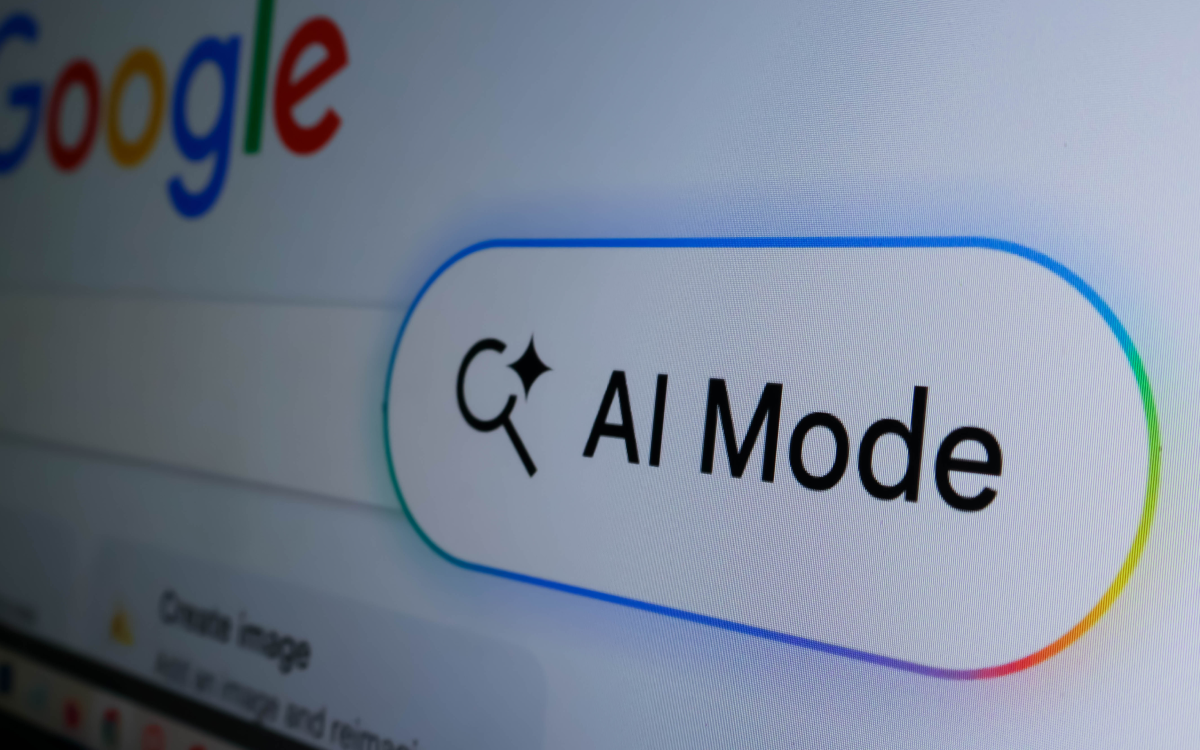
At Google I/O, the company announced that its AI Mode, which generates direct answers to search queries rather than simply listing websites, now has one billion monthly users. That is not a niche feature anymore. That is the main event. Understanding how Google's AI Overviews are changing SEO for dentists is now genuinely essential for any practice trying to stay visible online.
Here is what the shift looks like in practical terms:
The shift toward GEO vs. SEO in the age of AI assistants is not a future trend. It is already here, and this update accelerated it.
A temporary dip in website traffic after a core update is completely normal. It does not mean your website did something wrong. It does not mean your SEO is broken. It means Google is recalibrating, and the dust has not fully settled.
Rankings can shift throughout the rollout, and early data can be misleading. Google's own guidance is to wait at least one full week after the update finishes before reviewing your Search Console data and drawing conclusions. Your baseline for comparison should be your performance from before May 21.
Because this update launched during the same week as major Google I/O announcements, any traffic changes you see could be coming from multiple sources at once: the core update itself, changes to how AI Mode surfaces results, and normal seasonal fluctuations. This is why dental SEO takes time and why reactive decisions during a rollout almost always make things worse, not better.
Core update rewrote Google's ranking criteria: Some pages may rank higher or lower temporarily while the update settles
AI Mode now has 1 billion monthly users: Patients increasingly get answers directly from AI summaries, not website clicks
Search queries are getting 3x longer: Detailed, conversational content becomes more valuable
New AI-powered search box launched: Google now understands nuanced questions about services, insurance, and availability
AI information agents coming this summer: Automated systems will browse the web continuously to answer patient questions.
When rankings move, the instinct is to start editing everything. Resist that urge. Making significant changes while an update is still rolling out can muddy the water and make it harder to understand what actually happened when the dust settles.
History shows that things tend to balance out. Not every site that dips in traffic stays down. Google goes through a recalibration period, and then rankings stabilize into a new normal. The practices that do best after core updates are the ones that stay patient and continue investing in the right things.
Here is where to focus right now:
The May 2026 update is a reminder that search is always evolving, and right now it is evolving faster than at almost any point in the last decade. Between the core update and Google's sweeping AI announcements, practices that have been coasting on an old website and thin content are going to feel the pressure. How AI is reshaping dental marketing is no longer a topic for the future. It is this year's reality.
The good news is that Google's AI-powered search rewards are exactly what good dental marketing has always been about: genuinely helpful content, a strong local presence, and a practice patients trust. The practices investing in those fundamentals, including a well-optimized dental SEO strategy and a steady stream of fresh patient reviews, are better positioned than ever.
A temporary lull in new patient inquiries is a normal part of how these updates work, and things typically stabilize once the rollout completes. Focus on what you can control, stay consistent, and give it time. Getting found by AI through smart website optimization is a long game, and practices that play it well will come out ahead.
A: It might cause some temporary movement, but that does not mean your practice did anything wrong. Core updates are broad reassessments that affect websites across the entire web. Many practices see rankings stabilize or improve once the rollout completes.
A: A temporary dip in website visitors is completely normal during and immediately after a core update. Google is recalibrating how it evaluates content, and rankings often shift back as things settle. Give it at least a couple of weeks before drawing conclusions.
A: AI Mode generates direct answers to patient search queries instead of just listing websites. It now has one billion monthly users, which means many patients get answers without clicking through to a dental website. Practices with detailed, question-answering content are better positioned to appear in those AI-generated summaries.
A: Not yet. Wait until the update fully completes and you have at least a week of post-rollout data before making significant changes. Reactive edits during a rollout make it harder to understand what actually happened.
A: Core updates typically take up to two weeks to fully roll out, and most practices see things settle into a new normal within four to six weeks afterward.